
CASE FILE / JFK-1963 / ACTIVE READING PACKET
KENNEDY ASSASSINATION
Start with what can be measured. Separate the shot mechanics, the identity evidence, the intelligence record, and the conspiracy question instead of forcing them into one answer.

CASE FILE LEADLeah Reed
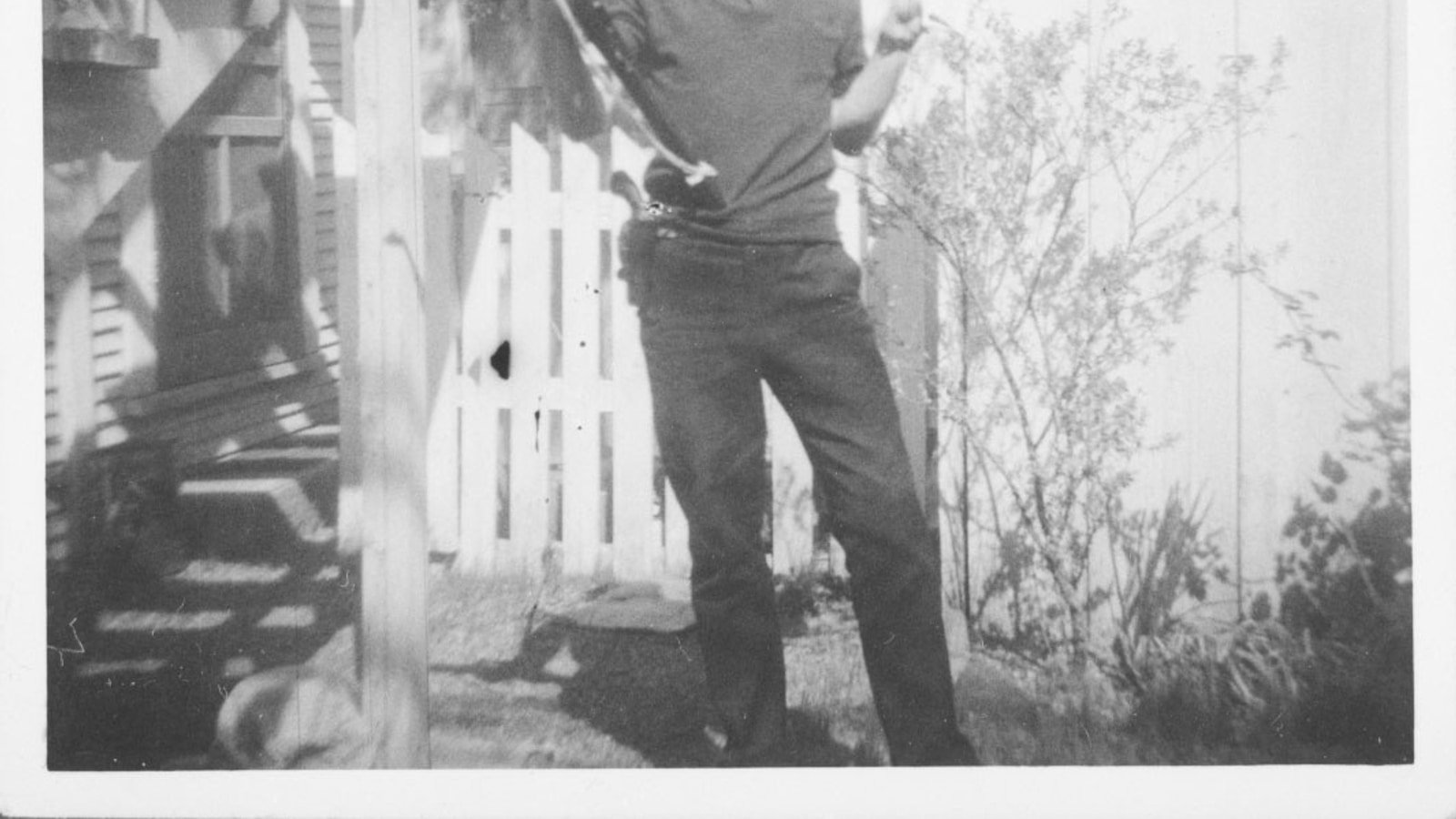
CASE SCALE / SOURCE MAP
How large is the problem?
The Kennedy file is not one mystery. It is a very large records collection containing distinct questions about mechanics, identity, agency knowledge, investigative conflict and later disclosure.
READ THIS FIRST
The shot is not the whole case.
The mechanical question is narrower than the historical question. Establishing that a rifleman could make the shots does not establish why Oswald was there, whether anyone assisted him, or whether every agency later described its knowledge accurately. Those require different evidence.
Was the Depository shot mechanically possible?
The Warren Commission reported a shot interval of roughly 4.8–5.6 seconds if the middle shot missed, or more than 7 seconds if the first or third missed. Its rifle tests used a minimum operating interval of about 2.3 seconds. The Commission also cited Oswald's Marine marksmanship history. That supports possibility, not a complete theory of the assassination.
What this packet does not assume
It does not treat "possible shot" as proof of lone action. It does not treat later intelligence releases as proof of conspiracy. It does not collapse witness impressions, ballistics, medical evidence, acoustics, and agency records into one undifferentiated pile.
STARTER PACKET
Five official doors into the record.
These links point to government-hosted source layers. Cyberdelia's local packet is metadata-first for now so the archive stays small while the collection grows.
NARA / COLLECTION
President John F. Kennedy Assassination Records CollectionNational Archives overview; more than six million pages across records, photographs, film, sound, and artifacts.
OPEN SOURCE →2025–26 RELEASES
Previously withheld records release indexNARA lists six principal release tranches through Jan. 30, 2026 totaling 94,643 pages, plus separately transferred FBI records surfaced during the Bureau's broader inventory effort.
OPEN INDEX →CYBERDELIA / RELEASE AUDIT
94,643 Pages Later, the JFK Problem Is Still a Data ProblemClaim-level diffing, duplicate control, release provenance, and why page counts are not revelation counts.
READ ANALYSIS →WARREN / SHOTS
Chapter 3: The Shots from the Texas School Book DepositoryTrajectory, rifle evidence, number and timing of shots, witness accounts, and Commission conclusions.
READ CHAPTER →WARREN / ABILITY
Appendix 12: Speculations and Commission findingsIncludes the Commission's response to claims that Oswald lacked the time or marksmanship to fire the shots.
READ APPENDIX →HSCA / FINDINGS
House Select Committee on Assassinations — Summary of FindingsLater congressional findings, including agreement that Oswald fired shots and the committee's separate acoustics-based conspiracy conclusion.
READ FINDINGS →CLAIM LEDGER / VERSION 1
Do not let one claim borrow certainty from another.
SUPPORTED
The shots that struck Kennedy from behind were consistent with the sixth-floor Depository position. Both the Warren Commission and HSCA described scientific or physical evidence supporting shots from behind and the Depository vicinity.
SUPPORTED
Firing the required sequence with the Mannlicher-Carcano was mechanically possible within at least some reconstructions of the shot interval. The Warren Commission's timing analysis and rifle tests do not support the popular claim that the sequence was inherently impossible.
SUPPORTED
Official investigations identified Lee Harvey Oswald as the gunman who fired from the Depository. The Warren Commission and HSCA both reached that finding, although the HSCA differed on the broader conspiracy question.
CONFLICTED
Was there another gunman? The Warren Commission found no credible evidence of shots from another location. The HSCA later said acoustical evidence established a high probability of two gunmen and therefore concluded Kennedy was probably killed as the result of a conspiracy. Its own report also records challenges and dissent concerning the acoustics.
UNRESOLVED
What, if anything, do the newest releases materially change about the core assassination narrative? NARA's six listed 2025–26 tranches total 94,643 pages, with additional FBI transfers handled separately. Volume is established; historical significance remains a claim-by-claim review problem.
TIMELINE / INVESTIGATIVE LAYERS
Different investigations answered different questions.
Assassination in Dealey Plaza
President Kennedy is killed and Governor John Connally is wounded. Evidence collection begins under chaotic conditions that later become part of the evidentiary dispute.
Warren Commission report
The Commission concludes that the shots which killed Kennedy and wounded Connally were fired from the sixth-floor southeast window of the Texas School Book Depository and attributes the shooting to Oswald.
House Select Committee on Assassinations
The HSCA again identifies Oswald as the assassin but, relying substantially on its acoustical analysis, concludes Kennedy was probably assassinated as the result of a conspiracy it could not identify.
JFK Records Act
Congress creates the statutory framework for the President John F. Kennedy Assassination Records Collection and later review/release work.
Major additional releases
NARA posts six principal tranches totaling 94,643 pages through Jan. 30, 2026, while also receiving newly inventoried FBI material from a broader records-review effort.
NEXT ANALYSES
Break the mythology into testable pieces.
This case file will grow horizontally. Each question gets its own source packet and claim ledger rather than one mega-article pretending to resolve sixty years of dispute.
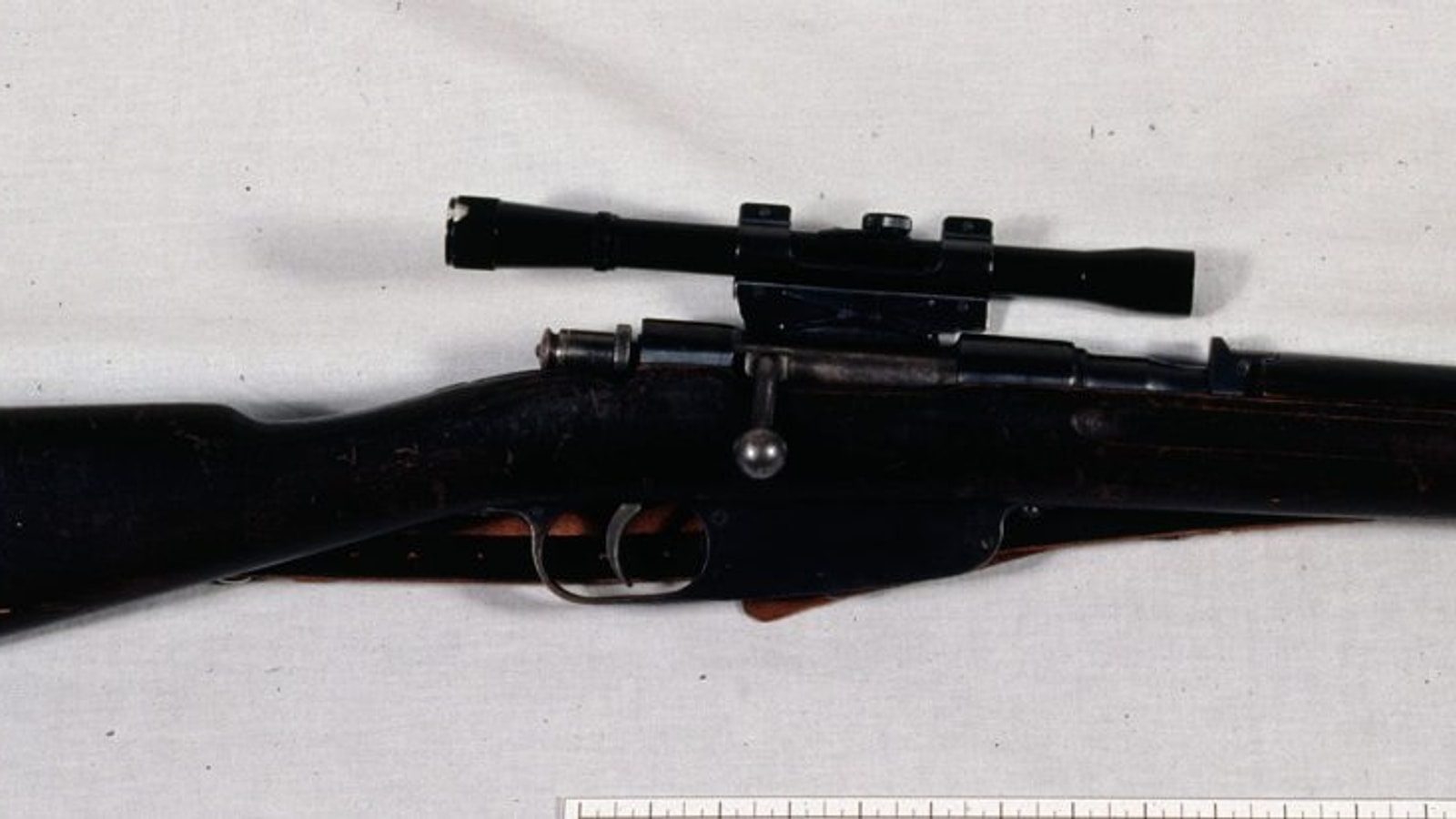
SHOT GEOMETRY / MECHANICS
Dealey Plaza mechanics
Distances, vehicle position, rifle cycle time, sight picture, trajectory and the difference between a difficult shot and an impossible one.
QUESTION: what does the physical sequence establish by itself?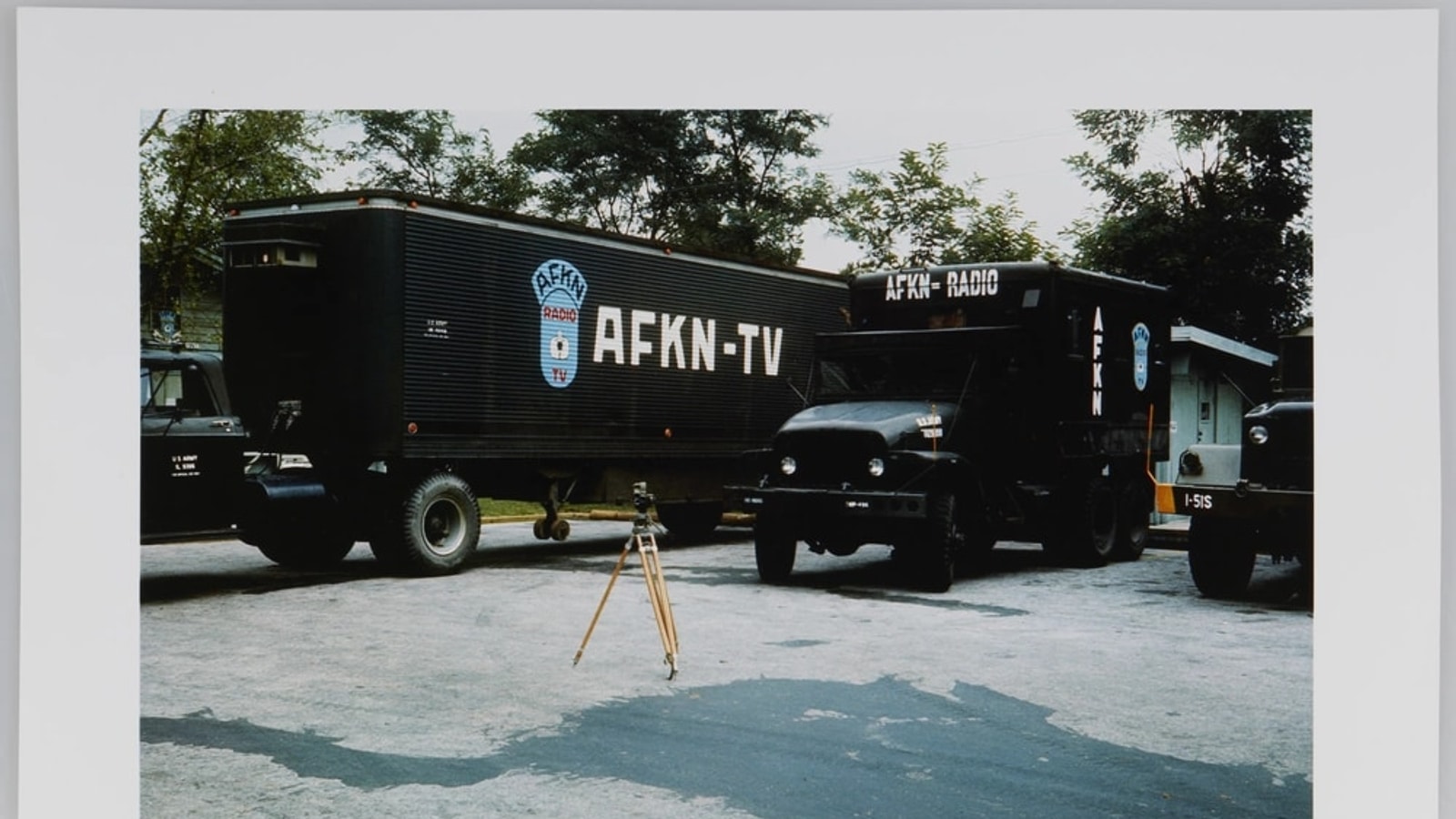
ACOUSTICS / HSCA
The Dictabelt problem
Why the HSCA acoustical evidence mattered, the timing/authenticity dispute and why one contested evidence stream carried so much historical weight.
QUESTION: does the recording belong to the assassination interval?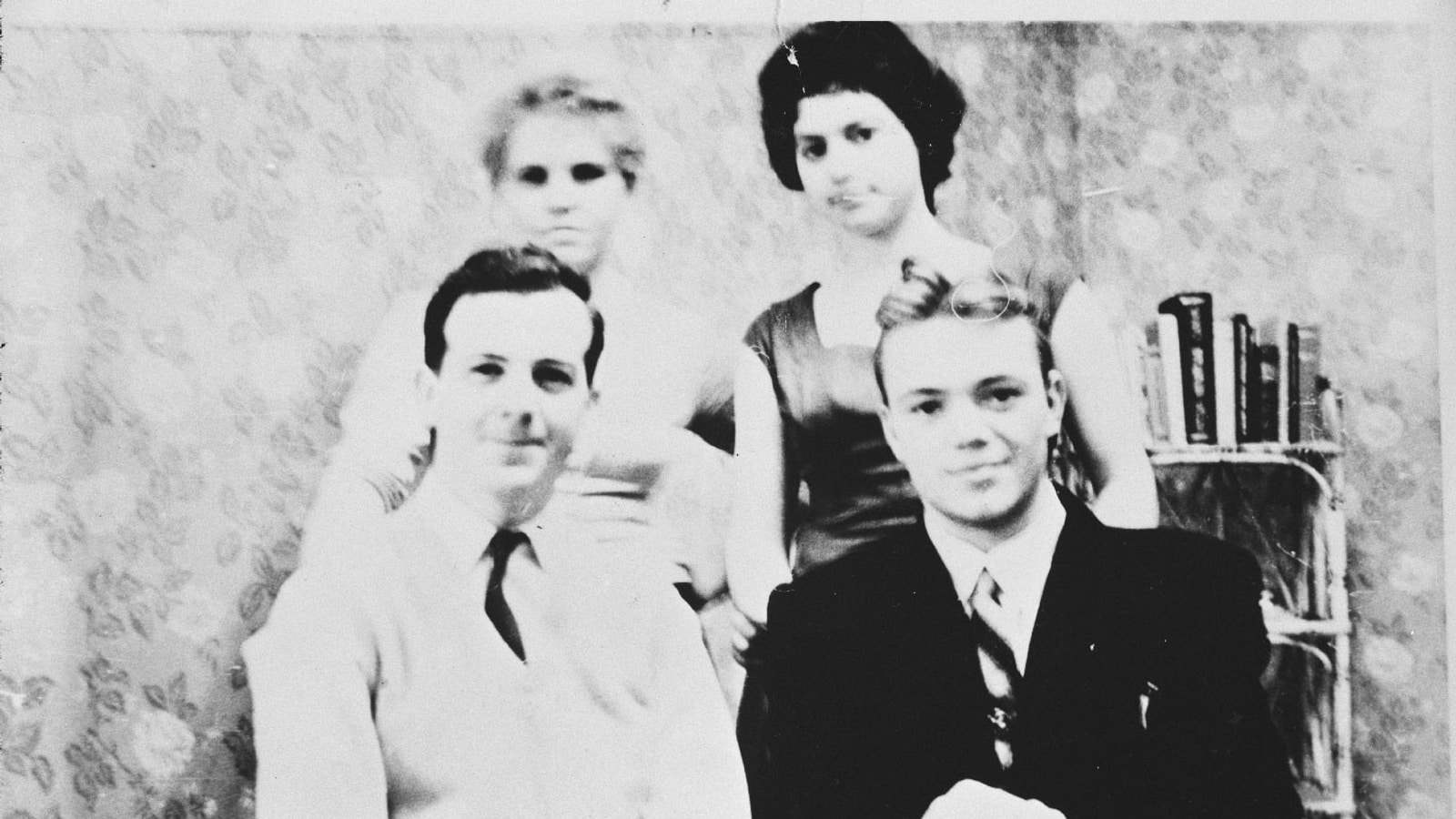
RELEASE AUDIT / INTELLIGENCE
Oswald before Dallas
Mexico City, CIA/FBI holdings, release provenance, duplicates and what later records actually add to agency-knowledge claims.
QUESTION: what changed, rather than merely becoming newly visible?
CONSPIRACY QUESTION
Keep the umbrella claim disassembled
Second gunman, assistance, foreknowledge, post-event concealment and agency failure are not interchangeable propositions.
RULE: one supported subclaim cannot lend certainty to the others.METHOD NOTE
Possible is not proven. Strange is not false. Official is not infallible.
Cyberdelia uses official records as source material, not as sacred text. Where official bodies disagree, the disagreement is part of the record. Where the record is incomplete, the correct label is incomplete.
Primary source layer: National Archives JFK Collection. Machine-readable packet manifest: case-files-manifest.json.